
Understanding GLP-1 Medications: Benefits, Risks & How They Work

Learn how GLP-1 medications work, their potential benefits, possible side effects, and what current research says about weight management and overall health.

WEIGHT MANAGEMENT

7/24/20267 min read

Understanding GLP-1 Medications: Benefits, Risks, and What Current Research Says

Introduction

In recent years, GLP-1 medications have become one of the most discussed topics in healthcare and weight management. Originally developed to help people with type 2 diabetes manage blood sugar levels, these medications are now also being prescribed for chronic weight management in certain individuals under medical supervision.

Their growing popularity has sparked widespread interest—and just as many questions.

How do GLP-1 medications actually work? Are they safe? Can they replace healthy eating and exercise? Who may benefit from them, and what are the possible risks?

With so much information circulating online, it can be difficult to separate scientific evidence from marketing claims and social media trends.

This guide explains the basics of GLP-1 medications in clear, practical language. Rather than promoting or discouraging their use, our goal is to help you understand what current research says so you can have informed conversations with your healthcare provider.

What Are GLP-1 Medications?

GLP-1 stands for Glucagon-Like Peptide-1, a hormone naturally produced in the intestines after eating. It plays an important role in regulating blood sugar, digestion, and appetite.

When food enters the digestive system, the body releases GLP-1 to help coordinate several processes involved in metabolism.

These include:

  • stimulating insulin release when blood sugar rises;

  • reducing the amount of glucose produced by the liver;

  • slowing stomach emptying;

  • increasing feelings of fullness after meals.

Because of these effects, researchers developed medications that mimic the action of this natural hormone.

Today, several GLP-1 receptor agonists are available for specific medical uses. Some are approved for managing type 2 diabetes, while others are approved for chronic weight management in eligible patients. The appropriate medication and its approved use depend on local regulations, clinical guidelines, and an individual's medical history.

It's important to remember that these medications are not dietary supplements. They are prescription medicines intended to be used under the guidance of a qualified healthcare professional.

How Do GLP-1 Medications Work?

To understand why these medications have received so much attention, it helps to look at how they affect the body's natural systems.

Unlike products that simply attempt to suppress appetite through stimulants, GLP-1 medications work by interacting with receptors that already exist within the body.

Their effects include several interconnected mechanisms.

Supporting Blood Sugar Regulation

One of the primary functions of GLP-1 medications is helping the body release insulin when blood glucose levels increase after eating.

At the same time, they reduce the release of glucagon, another hormone that raises blood sugar levels.

Together, these actions help improve glucose regulation in people who need treatment.

Slowing Gastric Emptying

GLP-1 medications also slow the rate at which food leaves the stomach.

As a result, many people feel satisfied for longer after eating.

This slower digestion may contribute to reduced calorie intake over time, although responses vary from person to person.

Influencing Appetite

Researchers believe GLP-1 also acts on areas of the brain involved in appetite regulation.

Many individuals taking these medications report:

  • reduced hunger;

  • fewer food cravings;

  • feeling full after smaller meals.

However, appetite is influenced by many factors, including sleep, stress, physical activity, environment, and eating habits. Medication is only one part of the picture.

Why Have GLP-1 Medications Become So Popular?

Although GLP-1 therapies have existed for years in diabetes care, public awareness increased dramatically as research explored their role in weight management.

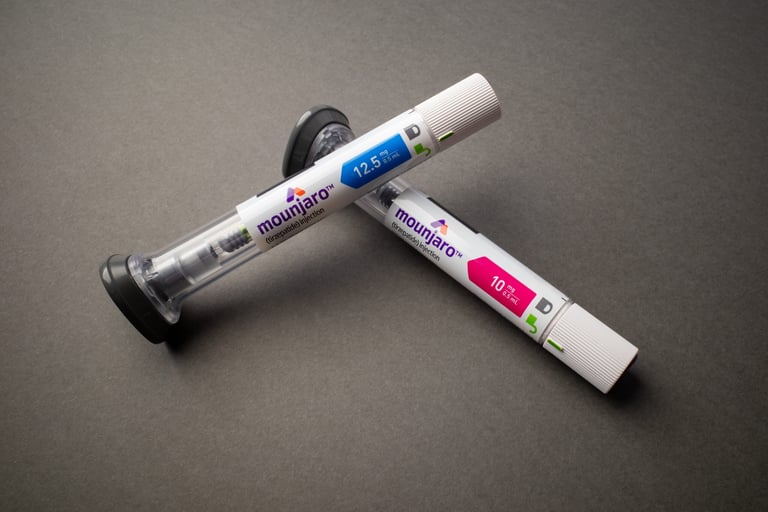
Media coverage, celebrity discussions, and social media platforms all contributed to making terms like Ozempic, Wegovy, and Mounjaro household names.

Interest also grew because obesity is recognized as a complex chronic condition rather than simply a matter of willpower.

Healthcare professionals increasingly emphasize that body weight is influenced by multiple factors, including genetics, hormones, environment, mental health, physical activity, sleep, and nutrition.

For some individuals, medication may become one component of a broader treatment plan that also includes lifestyle changes and ongoing medical care.

This broader understanding has encouraged more people to seek reliable information about available treatment options.

Potential Benefits of GLP-1 Medications

Current research suggests that GLP-1 medications may offer meaningful benefits for appropriately selected patients when prescribed and monitored by healthcare professionals.

These potential benefits depend on the individual's medical condition, treatment goals, and adherence to the overall care plan.

Weight Management

One of the most widely discussed effects is their ability to support long-term weight management in eligible individuals.

By reducing appetite and increasing feelings of fullness, some patients consume fewer calories naturally without experiencing the constant hunger often associated with restrictive diets.

However, medication should not be viewed as a shortcut.

Long-term success typically depends on combining treatment with healthy eating habits, regular physical activity, and sustainable lifestyle changes.

Blood Sugar Control

GLP-1 medications were originally designed to help improve blood glucose control in people living with type 2 diabetes.

For these patients, better glucose regulation may reduce the risk of diabetes-related complications when treatment is part of a comprehensive medical plan.

Cardiovascular Health

Some GLP-1 medications have also shown cardiovascular benefits in specific groups of patients with established health conditions.

However, these findings do not apply equally to every medication or every individual.

Treatment decisions should always be personalized and based on professional medical evaluation.

Beyond Weight Loss

Researchers continue studying the possible effects of GLP-1 medications in areas such as metabolic health, kidney disease, and other chronic conditions.

While early findings are promising in certain cases, science is still evolving, and new evidence continues to emerge.

For this reason, it's important to rely on reputable medical guidance rather than social media claims or sensational headlines.
Possible Risks and Side Effects

Like all prescription medications, GLP-1 therapies may cause side effects. While many people tolerate treatment well, others may experience symptoms, particularly during the first weeks as the body adjusts.

The type and intensity of side effects can vary depending on the medication, dosage, and individual health profile.

For this reason, treatment should always be supervised by a qualified healthcare professional.

Common Side Effects

The most frequently reported side effects include:

  • Nausea

  • Vomiting

  • Diarrhea

  • Constipation

  • Stomach discomfort

  • Reduced appetite

  • Bloating

These symptoms are often temporary and may improve as treatment continues, although this is not the case for everyone.

Healthcare providers sometimes reduce these effects by gradually increasing the medication dose over time.

Less Common but Important Risks

Although uncommon, more serious adverse effects have been reported with GLP-1 medications.

Depending on the specific medication and the individual's medical history, healthcare professionals may evaluate the risk of conditions involving the pancreas, gallbladder, kidneys, or other organs before prescribing treatment.

Anyone experiencing severe abdominal pain, persistent vomiting, signs of dehydration, or other concerning symptoms should seek medical attention promptly.

Never stop or change prescription medication without consulting the healthcare professional who prescribed it.

Who May Be a Candidate for GLP-1 Medications?

GLP-1 medications are not intended for everyone.

Eligibility depends on several factors, including:

  • Body Mass Index (BMI)

  • Existing medical conditions

  • Blood sugar control

  • Previous treatment history

  • Overall health

  • Individual treatment goals

Healthcare professionals consider these factors when determining whether this type of medication may be appropriate.

People considering GLP-1 therapy should discuss:

  • their complete medical history;

  • current medications;

  • family history;

  • possible benefits and risks;

  • realistic expectations.

Because these medications require medical supervision, they should never be obtained or used without proper professional guidance.

Healthy Habits Still Matter

One of the biggest misconceptions surrounding GLP-1 medications is the belief that they replace healthy habits.

Current evidence suggests the opposite.

Medication can support treatment for some individuals, but long-term health still depends on lifestyle choices.

Healthy habits remain essential, including:

Balanced Nutrition

A diet rich in vegetables, fruits, whole grains, lean proteins, legumes, and healthy fats continues to provide nutrients that medication alone cannot replace.

Regular Physical Activity

Exercise supports cardiovascular health, muscle maintenance, mobility, and mental well-being.

Even moderate activities such as walking can contribute to overall health when performed consistently.

Quality Sleep

Poor sleep may affect hunger hormones, appetite regulation, and metabolic health.

Prioritizing regular sleep habits remains an important part of a healthy lifestyle.

Stress Management

Chronic stress can influence eating behaviors and overall well-being.

Mindfulness, relaxation techniques, social support, and healthy daily routines may all play a role in maintaining long-term health.

Common Myths About GLP-1 Medications

Myth 1: GLP-1 Is a Miracle Weight Loss Drug

Reality:

There is no miracle medication.

Results vary between individuals, and long-term success generally involves nutrition, physical activity, and ongoing medical care.

Myth 2: Everyone Should Take GLP-1

Reality:

These medications are intended for specific medical situations.

A healthcare professional should determine whether treatment is appropriate.

Myth 3: You No Longer Need Healthy Eating

Reality:

Healthy eating remains one of the most important factors for overall health.

Medication does not replace balanced nutrition.

Myth 4: Results Are Immediate

Reality:

Treatment outcomes develop gradually and differ from person to person.

Healthy lifestyle habits continue to influence long-term results.

Frequently Asked Questions

What does GLP-1 stand for?

GLP-1 stands for Glucagon-Like Peptide-1, a hormone naturally produced in the intestines that helps regulate blood sugar, digestion, and appetite.

Are GLP-1 medications only for diabetes?

No.

Some GLP-1 medications are approved for type 2 diabetes, while others are approved for chronic weight management in eligible patients.

Approved uses vary depending on the medication and local health regulations.

Can GLP-1 medications help with weight loss?

For some individuals, healthcare providers may prescribe GLP-1 medications as part of a comprehensive weight management plan.

They are generally intended to complement—not replace—healthy lifestyle changes.

Are GLP-1 medications safe?

These medications have been studied extensively and may be appropriate for certain patients under medical supervision.

Like all prescription medicines, they also carry risks and potential side effects.

Treatment decisions should always be made with a qualified healthcare professional.

Do I need a prescription?

In many countries, yes.

Prescription requirements depend on local regulations and the specific medication.

Always follow the laws and medical guidelines applicable in your region.

Can healthy habits replace medication?

Lifestyle changes remain the foundation of long-term health.

For some people, healthy habits alone may be sufficient.

For others, medication may be one component of a broader treatment plan determined by their healthcare provider.

Final Thoughts

GLP-1 medications have transformed the conversation around diabetes care and chronic weight management.

While research continues to evolve, current evidence suggests they may provide meaningful benefits for some individuals when used appropriately and under professional medical supervision.

At the same time, they are not a universal solution.

Long-term health is influenced by many interconnected factors, including nutrition, physical activity, sleep, stress management, and consistent daily habits.

If you're considering GLP-1 therapy, the best first step is to speak with a qualified healthcare professional who can evaluate your individual circumstances and help you make an informed decision.

At Nutravia, our mission is to provide balanced, evidence-informed health information that helps readers better understand nutrition, wellness, and sustainable healthy living.